Summary
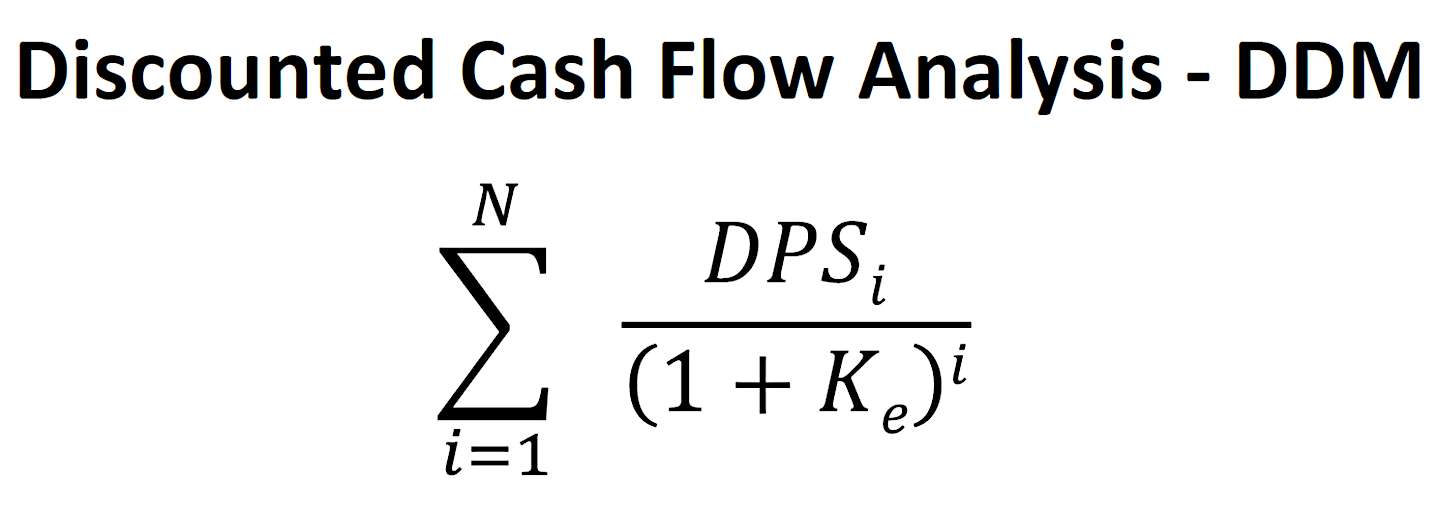
In this article, I examine the valuation of the H-share of China CITIC Bank (0998.HK) from the view point of a Dividend Investor. The Dividend Discount Model (DDM) is used to determine its Intrinsic Value, Expected Return on Investment, and its Margin of Safety. DDM is a form of Discounted Cash Flow Analysis in which the type of cash flow used in the analysis is the Company’s regular dividend payments, discounted at the appropriate rate of return to determine the Intrinsic Value of the stock.
Introduction
The recent Evergrande debt crisis has resulted in a substantial sell down in the Hong Kong equities market, with the bulk of the price decline hitting China H-shares. A few companies on my watch list experienced price corrections which brought them into value stock territory, at least that is my humble opinion. I have recently published articles on 2 of them, namely Ping-An Insurance, Agricultural Bank of China. In this article, I would like to share my thoughts on another recent addition to my Dividend Income Portfolio, China Citic Bank (0998.HK).
As my investment philosophy evolves over time, I find myself favoring stocks which provide attractive dividends at inexpensive valuations. I used the following set of questions to help determine the Bank’s investment worthiness:
- Does the Bank have a good long-term dividend track record?
- Does the Bank currently offer an attractive dividend yield (above the average yield of Hang Seng Index constituents)?
- Is the current payout ratio safe and sustainable?
- What is the expected return on investment of the share over a 10-year period? Majority of recommendations by financial analysts have a 12 month time horizon. I find the 10-year period to be more suitable for a dividend income stock, especially one which is part of a retirement dividend income portfolio.
- Does the stock price offer a sufficient margin of safety to its intrinsic value?
- Are the shares considered attractive when measured against the traditional value investing yardsticks? A good dividend stock with inexpensive valuation will minimize the risk of capital impairment and increase the probability of capital gains.
- Does the stock have a history of consistent earnings growth?
With the above questions in mind, let us delve into the analysis of the company to find the answers.